Butternut squash shakshuka
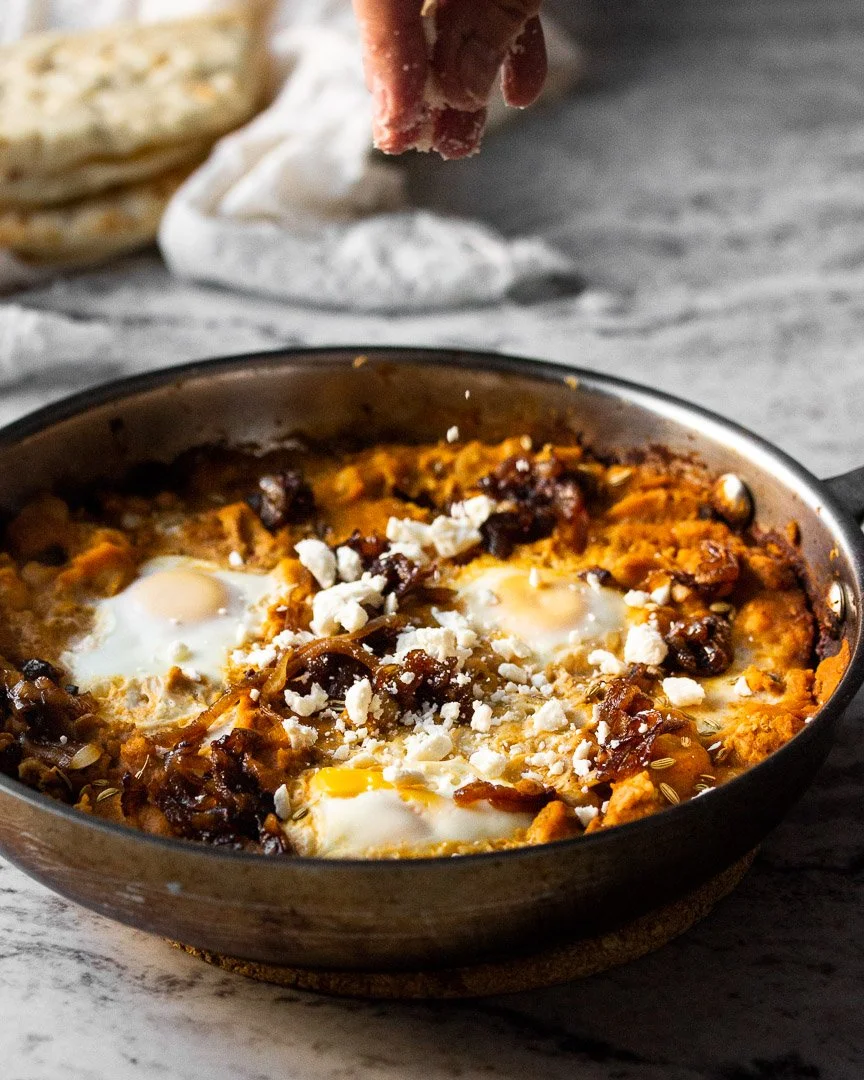
Shakshuka is one of those traditional dishes with as many recipes as there are grandmothers with recipe books. But it’s also been modernized in a million ways and with a million main ingredients. This squash version is a celebration of fall that features a hefty amount of middle eastern spices, lamb, and chickpeas.

Is it technically a shakshuka if there aren't any tomatoes or peppers? I mean, if we can pretend that swiss chard is the base for shakshuka, then butternut squash is acceptable in my book. Yes? Yes. Moving on.
This week has been a test of how good I am at compartmentalizing. The answer is: not very good. I mean, I'm not terrible at it, but I'm certainly not myself with my mom being sick in the hospital. I think M is reacting by not sleeping and tantruming over some truly insane things.
Being a parent is really freaking hard, especially when your mental tank isn't full.
I keep reminding myself that it's not M's job to take care of me emotionally. It's okay for me not to be 100% all the time, but I also can't get mad at him for not somehow divining that I don't have it all together and being on his best behavior.
Anyway, M is fed and clothed and bathed and read to and sung to and danced with and we built the international space station out of blocks, so I think I'm doing okay. And he wolfed down this spicy lamb, chickpea, and butternut squash stew, so he's doing okay too.
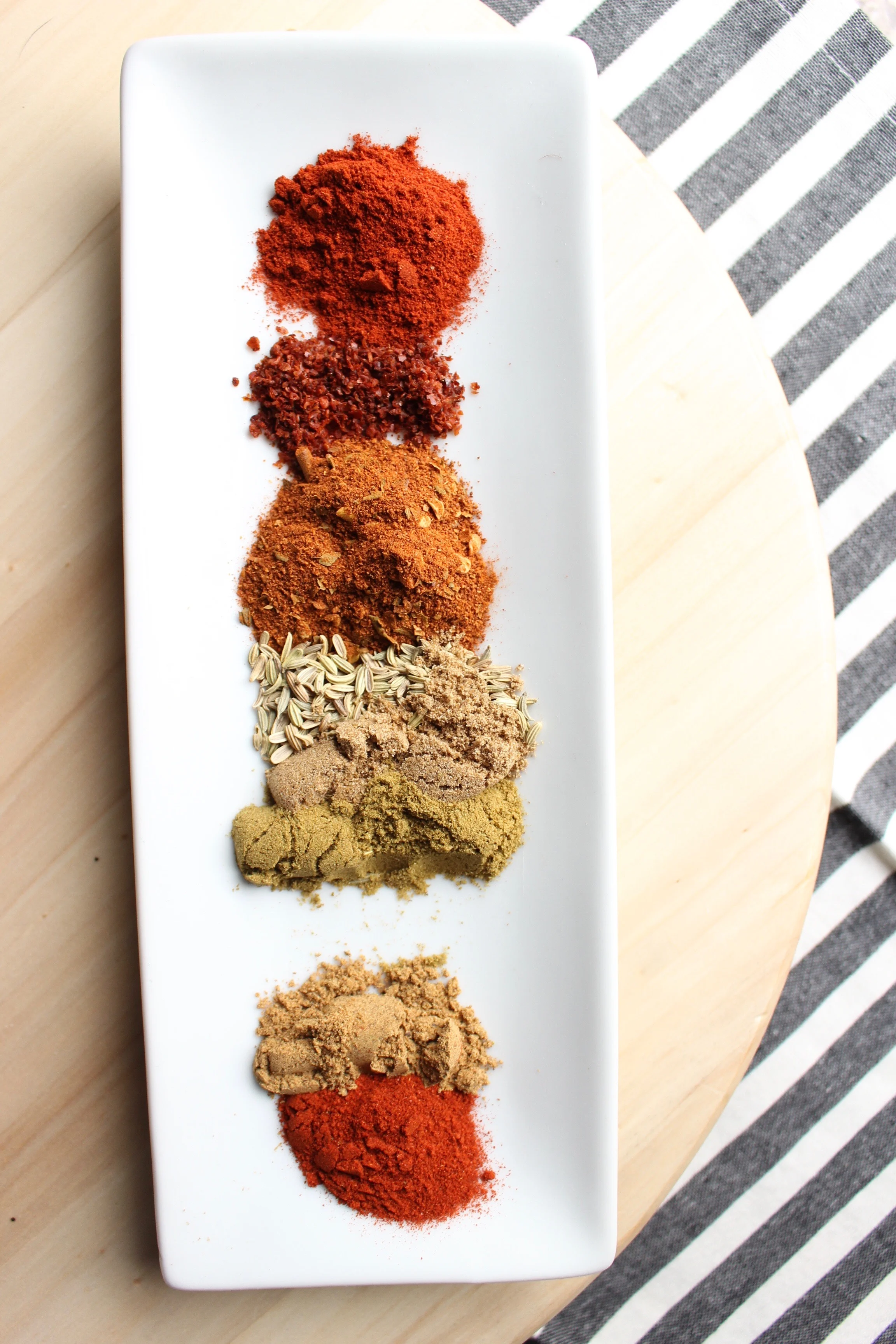
A couple of notes about this dish: Use harissa spice instead of harissa paste. Some recipes call for the paste, but it's too spicy for my toddler. Don't be intimidated by the harissa or ras al hanout. Both are spice mixes that combine many of the usual suspects like cayenne, garlic, ginger, coriander, and cumin.
Our harissa is somewhat old, so if you're concerned about the heat level for your family, taste the spice first and then decide how much to use. You can also skip the Aleppo pepper or substitute 1/4 tsp cayenne if you don't have any.
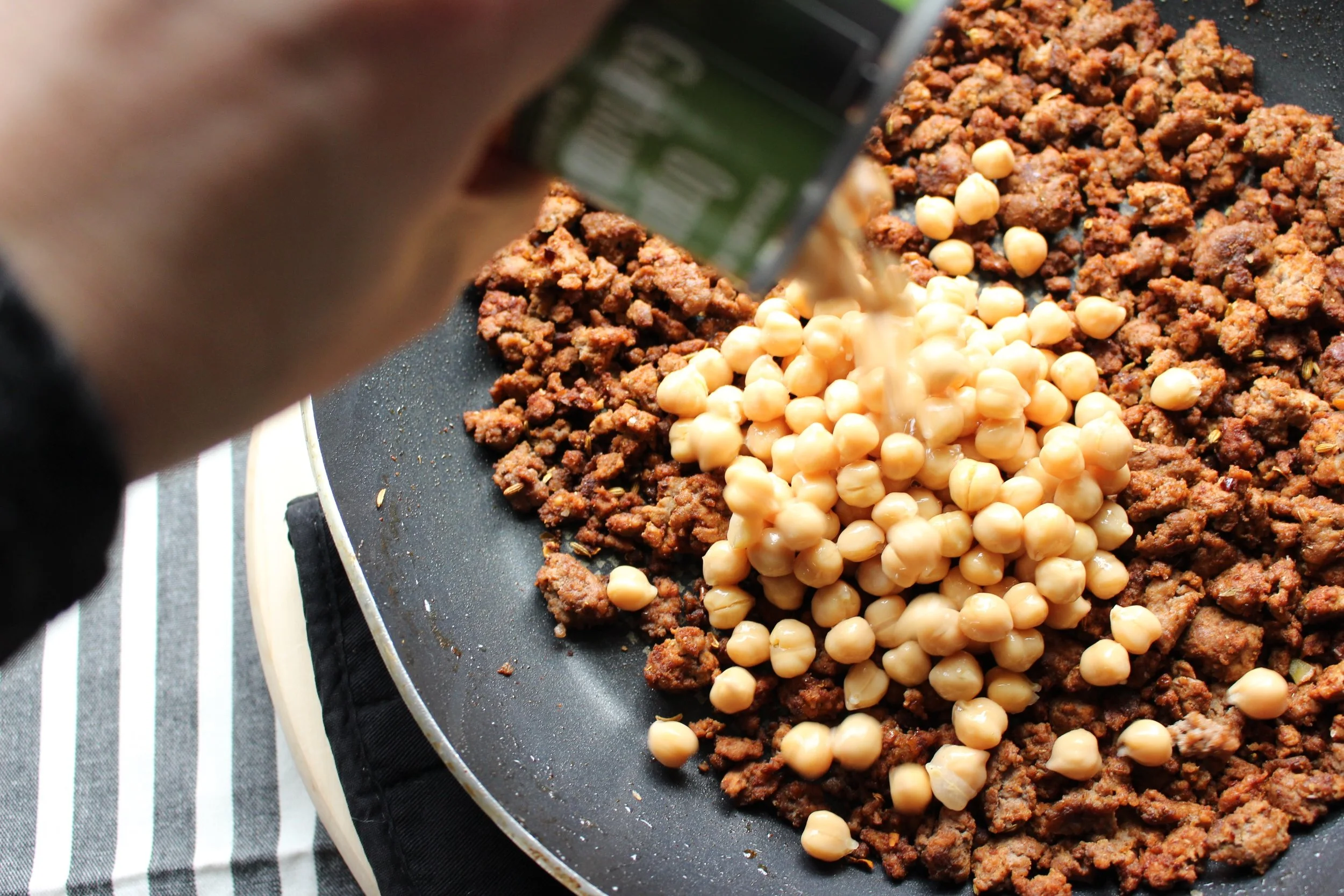
Butternut squash shakshuka
Time: About 1 hour, mostly active
Yield: 5 servings
1 large butternut squash (1.5-2 lbs, or whatever type of squash you prefer)
2 Tbsp oil
1 large onion, sliced
2 large shallots
2 tsp smoked paprika, divided
1 tsp sea salt, divided
3/4 tsp ras al hanout
1 lb ground lamb
1 tsp coriander
1 tsp cumin
1 tsp fennel seeds
1-2 tsp harissa spice*
1/2 tsp Aleppo pepper*
1 can chickpeas, drained
5 eggs
Lemon wedges
Feta cheese (optional)
Fresh cilantro (optional)
Naan or pita for dipping
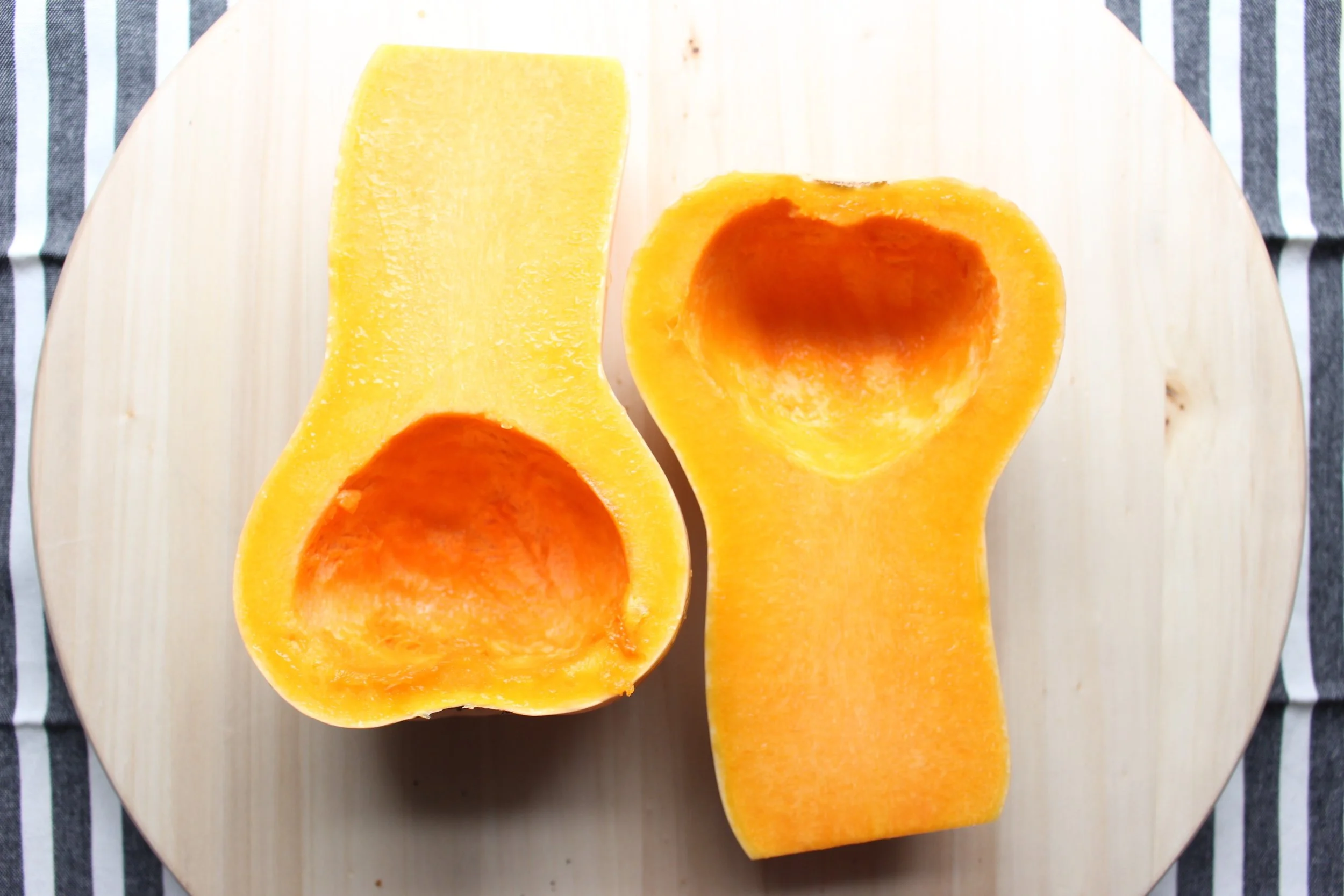
Preheat oven to 400. Trim the top stem of the butternut squash (but not the bottom), split the squash in half, and scoop out the seeds. Place cut side down on a parchment-lined baking sheet and roast until the neck of the squash is fork-tender, about 30 minutes. Let cool for a few minutes and remove the skin (it should slip off easily).
While the squash is roasting, slice and cook the onions and shallots in olive oil until deeply browned, about 30 minutes. Set aside half of the onions.
To the remaining onions, add 1 tsp of smoked paprika, half of the salt, and the raz al hanout. Saute for 1 minute and add to the blender or food processor.
Add the cooked squash to the blender or food processor with the onions and spices and blend until smooth. Scrape down the sides as needed. Set aside.
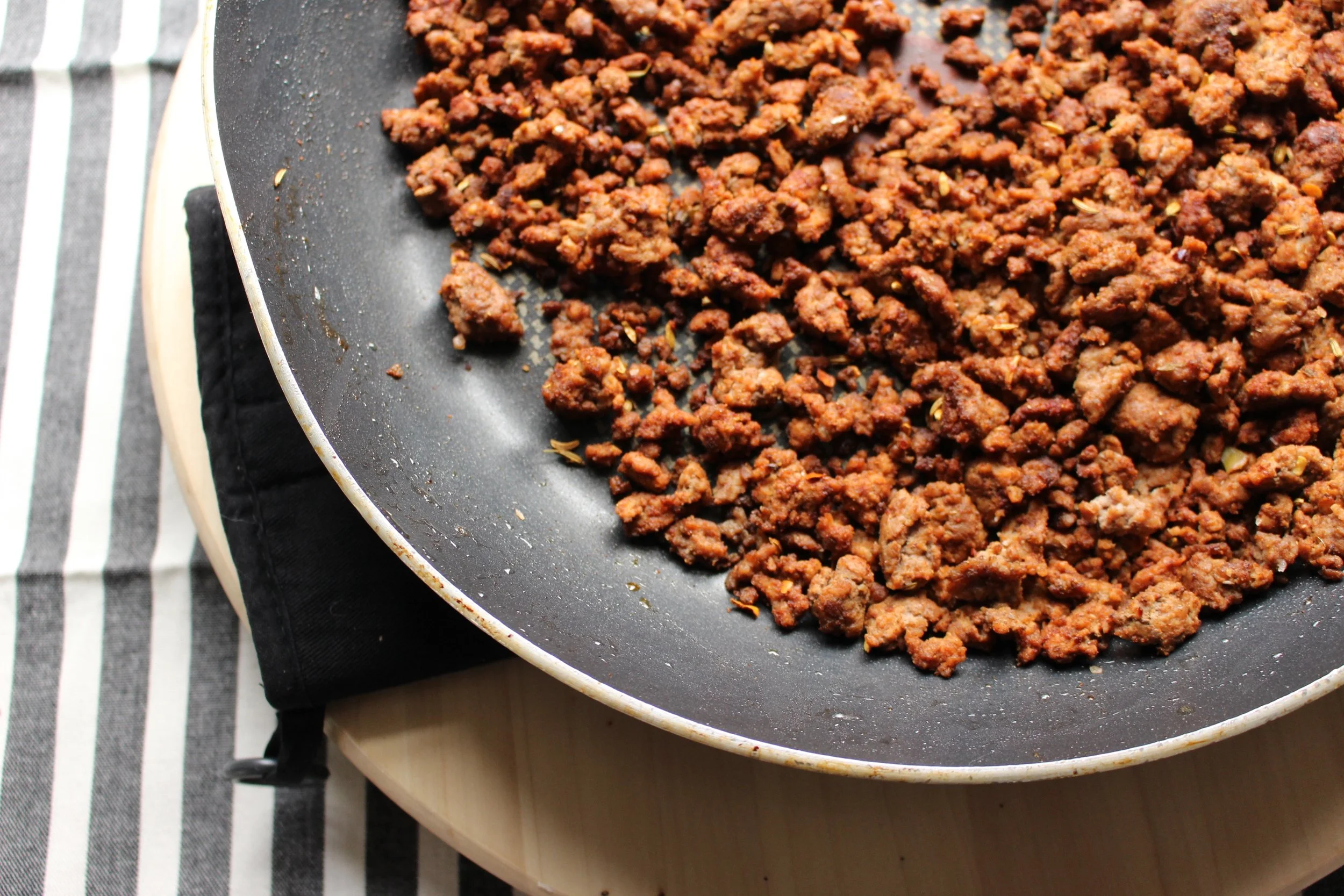
Saute the ground lamb over medium heat until no pink remains, about 8-10 minutes. Drain the excess oil and liquid. Return to the heat and add the remaining smoked paprika, coriander, cumin, fennel seeds, harissa, Aleppo pepper, and salt. Cook for one minute.
Add the drained chickpeas and pureed squash to the cooked lamb and stir to combine. Heat over a medium low flame for about 5 minutes, stirring frequently to avoid burning.
Make 5 holes in the squash and lamb mixture and crack the eggs into the holes. Turn the flame back to medium, cover, and cook until the egg whites are solid and there is just a bit of jiggle in the eggs when you shake the pan, about 4 minutes.
Garnish with fresh cilantro, feta cheese, the reserved caramelized onions, and a squeeze of lemon (all optional!)
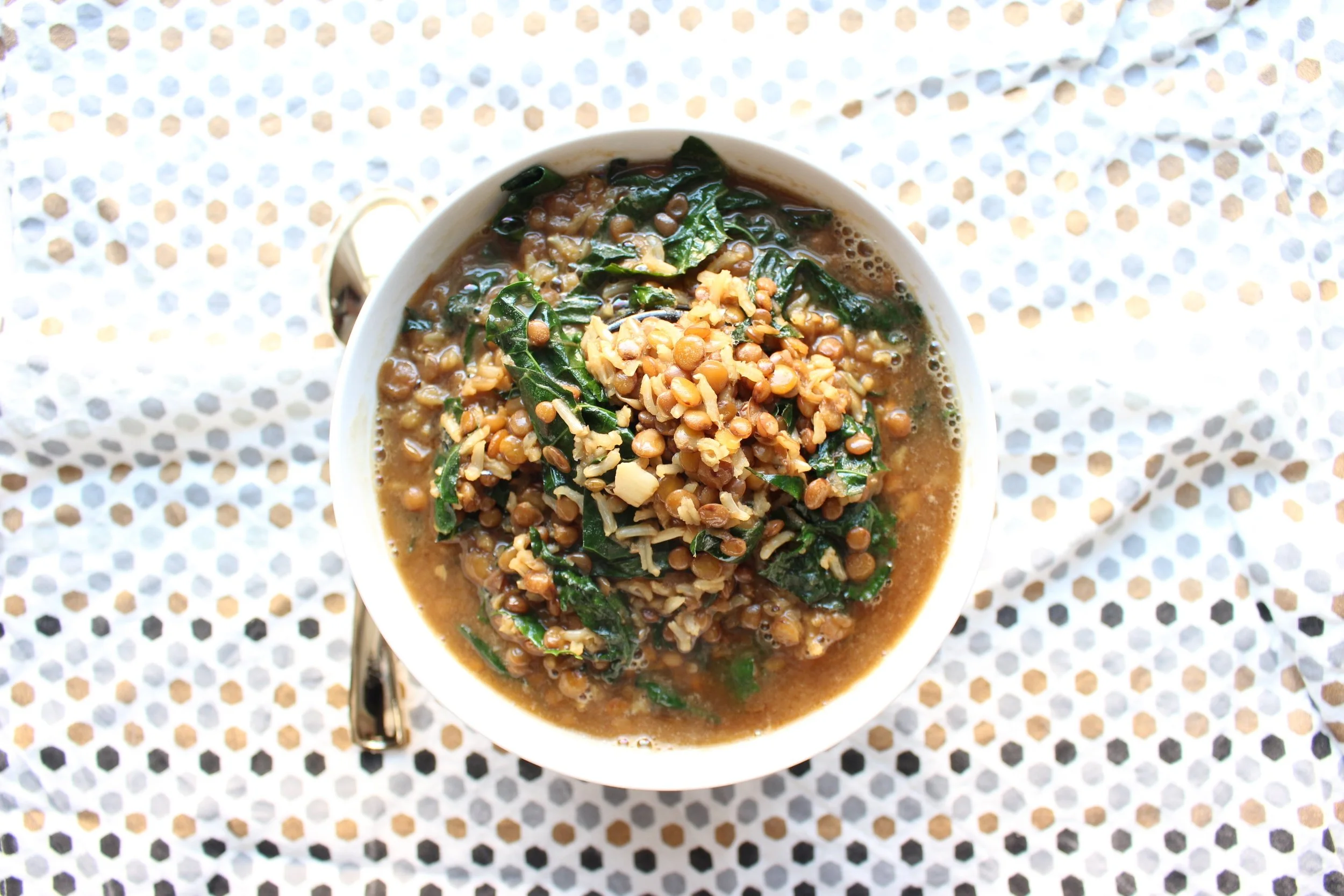
Mujadara soup
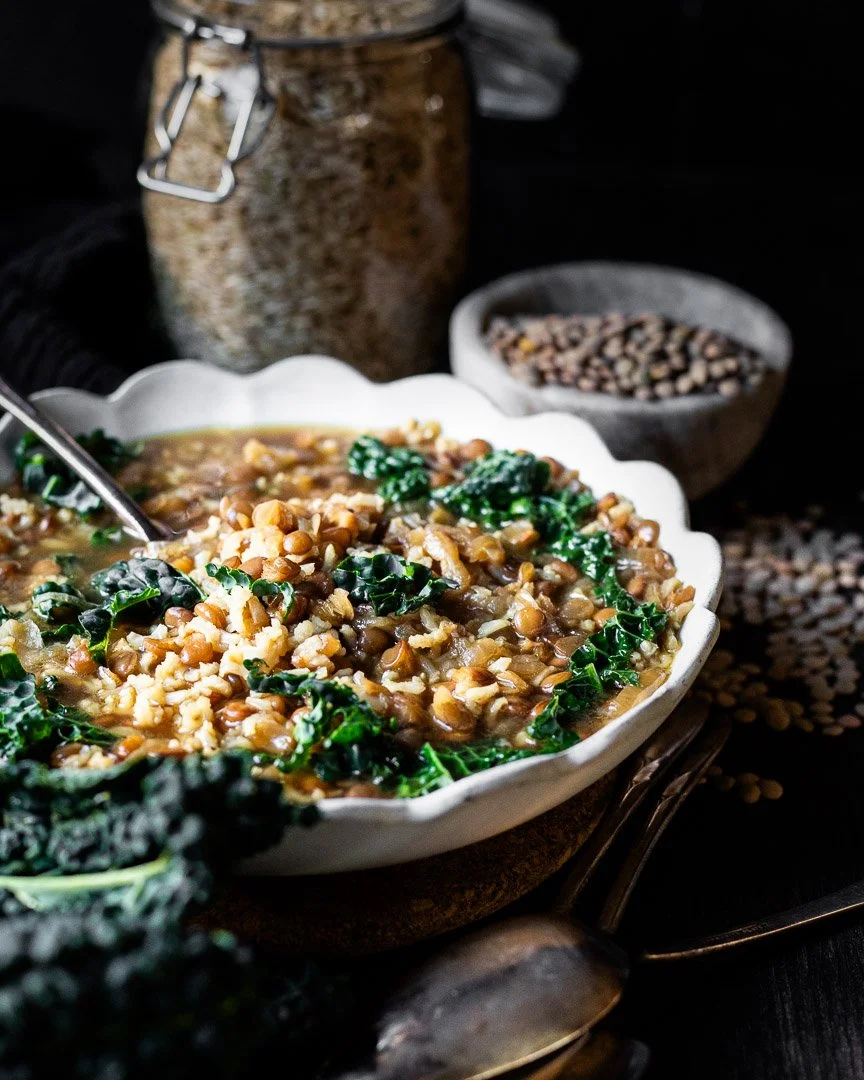
Well, we closed out 2017 with a bang. And by "bang," I mean, trip to the emergency room. Someone had horrible stomach pains that looked like appendicitis or a hernia because someone has been holding it rather than going in the potty. I was like, "Ethan, come on. You're an adult. just poop in the damned potty." So, I was more than glad to welcome 2018 this morning. (Did we think for one second I was making it to midnight last night? That's hilarious.)
In honor of a more auspicious start to this year, I'm posting a lentil soup recipe that combines two of my favorite mujadara recipes from Deborah Madison and Madhur Jaffrey. (I've also seen it spelled moudjendra or muhjadarrah.) My dad and I ate this dish a lot when I was a teen. I went through a vegetarian phase and he went through an only-eating-lentils-because-heart-disease phase.
There is something so warm and comforting to me about this Middle Eastern dish. While it's usually eaten as a side, it's hearty enough to eat as a main course or, as I've done here, to turn into a one-pot soup that makes a great lunch with a piece of crusty bread or toasted pita.
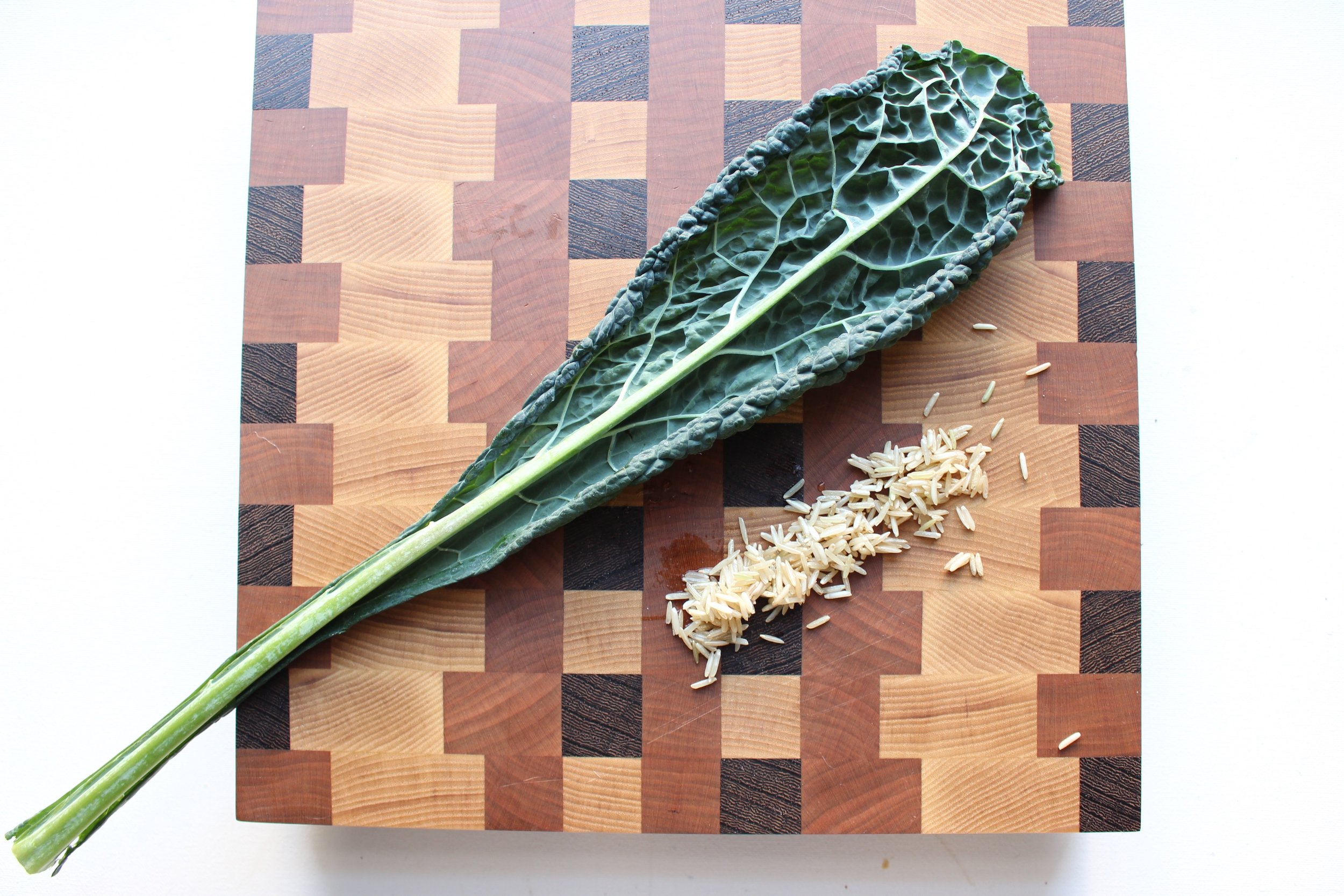
And, of course, eating lentils (or any round bean, really) is supposed to be good luck for the new year and eating anything green (the color of money) ushers in a prosperous new year.
You know what else this soup has? Lots and lots of fiber. So if your New Year's resolution has anything to do with gut health, potty training, weight loss, overall health, or home cooking, here's a soup for you. If you didn't make any resolutions and this is just another day, then make it "just another day" featuring delicious soup. If this straightforward, but somewhat time consuming dish isn't your bag, check out last year's lentil recipe.
Mujadara soup
2-3 large onions (4-5 small ones), sliced into 1/4 inch rounds or half-moons
1 Tbsp salted butter, olive oil, or ghee
3 Tbsp olive oil
1 tsp salt
2 large cloves garlic
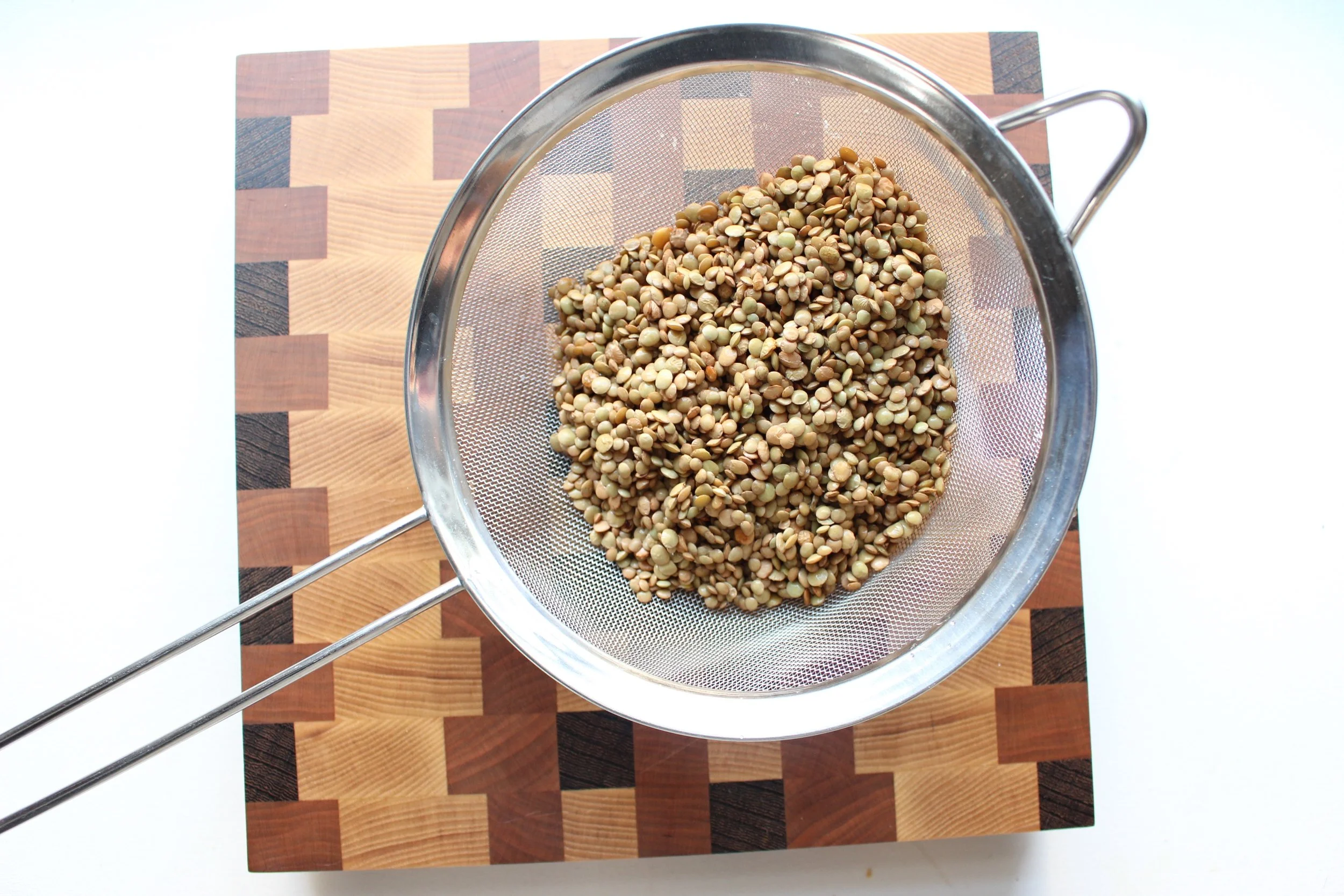
1 1/4 cup green lentils
3/4 cup long grain brown rice (basmati is great)
10 cups chicken or veggie stock (homemade if possible)
2 Tbsp lemon juice
1 bunch lacinto kale (also called dinosaur or Tuscan kale)
Heat the butter and oil over a medium flame. Slice your onions and chop your garlic. Set garlic aside. Turn the heat down to medium low and add the onions and salt. Saute the onions until they are a rich brown color, about 20-30 minutes.
While your onions are caramelizing, measure and rinse your lentils and rice and set aside. Check the onions every few minutes and adjust the temperature as needed to avoid burning them.
Once the onions are browned, add the garlic and saute for one minute, or until fragrant.
Add the lentils and the stock and bring to a boil. Turn the heat back down to medium low and simmer, uncovered, for 10 minutes.
Add the rice, cover, and continue simmering on medium-low heat for 30 minutes.
While the soup simmers, wash and chop your kale.
After 30 minutes, check the rice for doneness. I, personally, like a bit of bite left in the rice, but if you like it done more, cook for another 5-10 minutes, or to your liking. (Bear in mind that the rice will cook more upon reheating the soup as well.)
Add the kale and simmer for 5 more minutes. Add the lemon juice and stir. Taste for seasoning and thickness and add more salt or stock as needed.
Yield: 64 oz or about 8 cups of soup
Barley and squash "faux"sotto

Swapping barley for the arborio rice adds a nuttier taste that stands up to the hearty squash and sage while reducing the amount of stirring.

Friends, can we talk about toddlers refusing to eat (and the blinding rage that sometimes results!)? Despite my best efforts, this happens all the time (mostly the hunger strikes; sometimes the rage). I work HARD not to take it personally because I know it's developmentally appropriate (oral stage, exerting control, changing taste buds, yadda yadda yadda). One thing I can say with certainty is that it always passes. This is our basic game plan, which I’m writing down mostly as a reminder to myself when the going gets tough:
1) If he's not eating, maybe he’s just not that hungry? Most of the time, we let M determine how much he wants. We encourage him a little if he says "all done" after two bites because sometimes he's referring to the high chair and not the food. I'm not particularly good at recognizing my own hunger/satiety cues, so I want to help M be more attuned to his body.
2) Push the veggies and protein when he’s the hungriest. M is a morning eater and tends to gobble up whatever we put in front of him before 11 am, so I pack that meal with as much goodness as possible. I offer the fruit/veg, protein, and fat in all of his meals, but if he only eats the strawberries for lunch...so be it.
3) Don't "hide" veggies, cook with them. Find the happy medium with more nutritious food. I agree with folks like Amy Palanjian from Yummy Toddler Food about not "hiding" veggies. It undermines their trust if you offer a “pancake” and they discover a bit of green or a funny taste and realize that they’ve been duped! But that doesn't mean you have to serve your kids a head of steamed broccoli and call it a day. If you're making a grilled cheese, throw in some spinach and tell them that it's in there.
4) Offer a “safe” food. I’m not suggesting you make an entirely different meal for your kids, though we’ve definitely done that. If we’re offering something new or that I’m not sure will be a hit, I include something on the table that I KNOW M will like. Sometimes he refuses to eat because he's tired or too hungry and a few bites of something familiar can help him calm down and eat the other food too. And sometimes the “safe” food is all he eats and that’s okay too!


All of that to say, the first few times I made this "risotto" M loved it, until last night when he acted like it was RANCID. I assure you, this dish is delicious and though there are a few steps, they can be done simultaneously, so it's less effort than most risotto dishes. And there's barely any stirring!
I used Kabocha squash, which has a creamier consistency when roasted than butternut or delicata squashes and a thicker texture than the pumpkin or acorn varieties. But feel free to swap in any squash you can find in your store or have on hand. Also swap in spinach or any other greens for the kale, and/or turkey, chicken, or beef for the pork sausage. I wouldn't recommend adding fish to this guy, but serving a veggie version alongside a piece of fish would be great. Last note: I used hulled barley instead of pearled barley, which is the browner of the two in the bulk bins of your Whole Foods. It takes longer to cook, but is more nutritious if you don't mind the extra cooking time.

Barley and squash “faux”sotto
Time: about 60-75 minutes, mostly active
Yield: About 8 servings, ¾ cup each
3 cups water
1 cup hulled barley
2 cups chicken stock
½-1 bunch kale, stems removed and chopped into pieces
1 cup roasted Kombucha squash, about half of a small squash
1/2 cup grated Parmesan cheese
8 oz pork sausage, de-cased
2 medium shallot
1-2 large cloves garlic
10 fresh sage leaves or ½ tsp dried sage
Combine barley and water in a large pot and bring to a boil. Reduce heat and simmer, covered, over low heat until water is absorbed, about 45-60 minutes.
Meanwhile, cut squash in half and place cut side down on a parchment-covered baking sheet. Roast at 400 degrees for 30- 45 minutes or until the flesh is easily pierced with a fork. Let cool slightly and scoop out 1 cup of the cooked squash and set aside.
In a separate pan, brown the sausage. When fully cooked, remove and drain on a paper towel and add the shallots and garlic to the pan with the leftover pork fat and saute until translucent, about 5 minutes. Add the sage and cook until aromatic.
When barley is done, add chicken stock and bring back to a boil. Add chopped kale and cook until wilted, about 5 minutes. Reduce heat and add squash, parmesan, salt, and pepper. If the barley seems too wet, let simmer for a few minutes until enough liquid has evaporated, but remember that the grains will firm up as they cool. (Basically, you want the mixture to be oozy, but you shouldn’t see any excess liquid.) When ready, add the sausage, sage, onion, and garlic mixture and let heat through. Serve with a sprinkle of parmesan cheese on top.
Need ideas for using the leftover squash? Try these grain-free waffles but swap in squash for the sweet potato.
